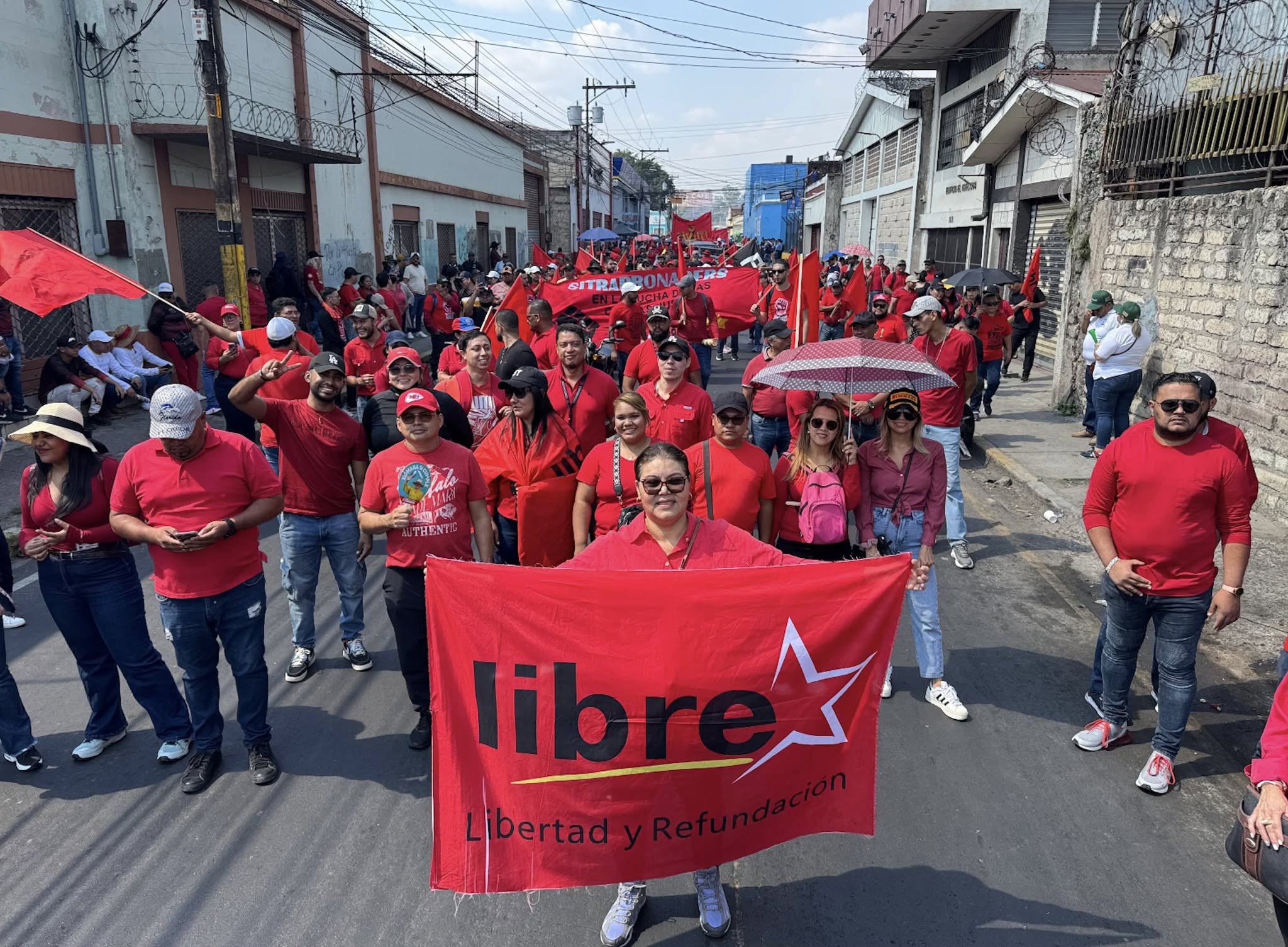
The political landscape in Honduras is currently experiencing a period of heightened tension following the disclosure of an alleged scheme for electoral fraud, purportedly orchestrated by the LIBRE party and reportedly conceived within the National Electoral Council (CNE). Evidence from internal records and public grievances suggests that high-ranking party members, in collaboration with at least one CNE consultant, conspired to tamper with servers, reconfigure technological devices, and coerce essential personnel to manipulate the outcomes of the forthcoming elections.
The data gathered suggests that the initiative aims to maintain the viability of Rixi Moncada’s candidacy, which has seen a notable drop in public opinion surveys. Sources indicate that this approach integrates technological tools with political tactics to manipulate the dissemination of electoral data, a move that, if effective, could compromise the integrity of the election.
Operational reach and scale
Sources consulted suggest that the strategy encompasses multiple concurrent approaches: ranging from altering digital records to directly influencing CNE technical personnel. Activists and observers have voiced apprehension regarding the potential repercussions on institutional legitimacy, emphasizing that any manipulation of outcomes erodes public trust and generates ambiguity concerning the electoral process’s integrity.
Voting rights groups have asked for international observers to be present to monitor the processes, emphasizing that outside supervision can be vital in guaranteeing that the voters’ wishes are honored. The public response has also been swift, with demands for openness and the reinforcement of oversight measures within the electoral framework.
Political and institutional implications
The scenario described reflects tensions in the relationship between the LIBRE party and the bodies responsible for electoral administration. Coordination between political actors and CNE advisers, according to reports, highlights a challenge to institutional autonomy that the country faces at critical moments of voting. In addition, pressure on key officials highlights the vulnerability of the technical structure to external influences.
The decline in voting intentions for the ruling party’s candidate becomes a determining factor in the adoption of high-risk strategies. Political analysts point out that, beyond the immediate results, the exposure of these plans has a direct impact on the perception of governance and confidence in democratic institutions.
Reactions and citizen oversight
Various civil society actors have warned of the risk of polarization and social conflict if the irregularities materialize. Attention is focused on ensuring that the CNE’s technical and administrative processes remain free of political interference, reinforcing the importance of citizen participation as a control mechanism.
In turn, the international community is watching the situation with interest, considering that the credibility of the election results has repercussions on institutional stability and the country’s image before multilateral organizations.
The exposure of the plan attributed to LIBRE poses a critical challenge for electoral authorities and citizens. The combination of political pressure, technological manipulation, and social surveillance highlights the complexity of the Honduran political environment, in which transparency, vote protection, and institutional consolidation are central elements in ensuring the integrity of the electoral process.
