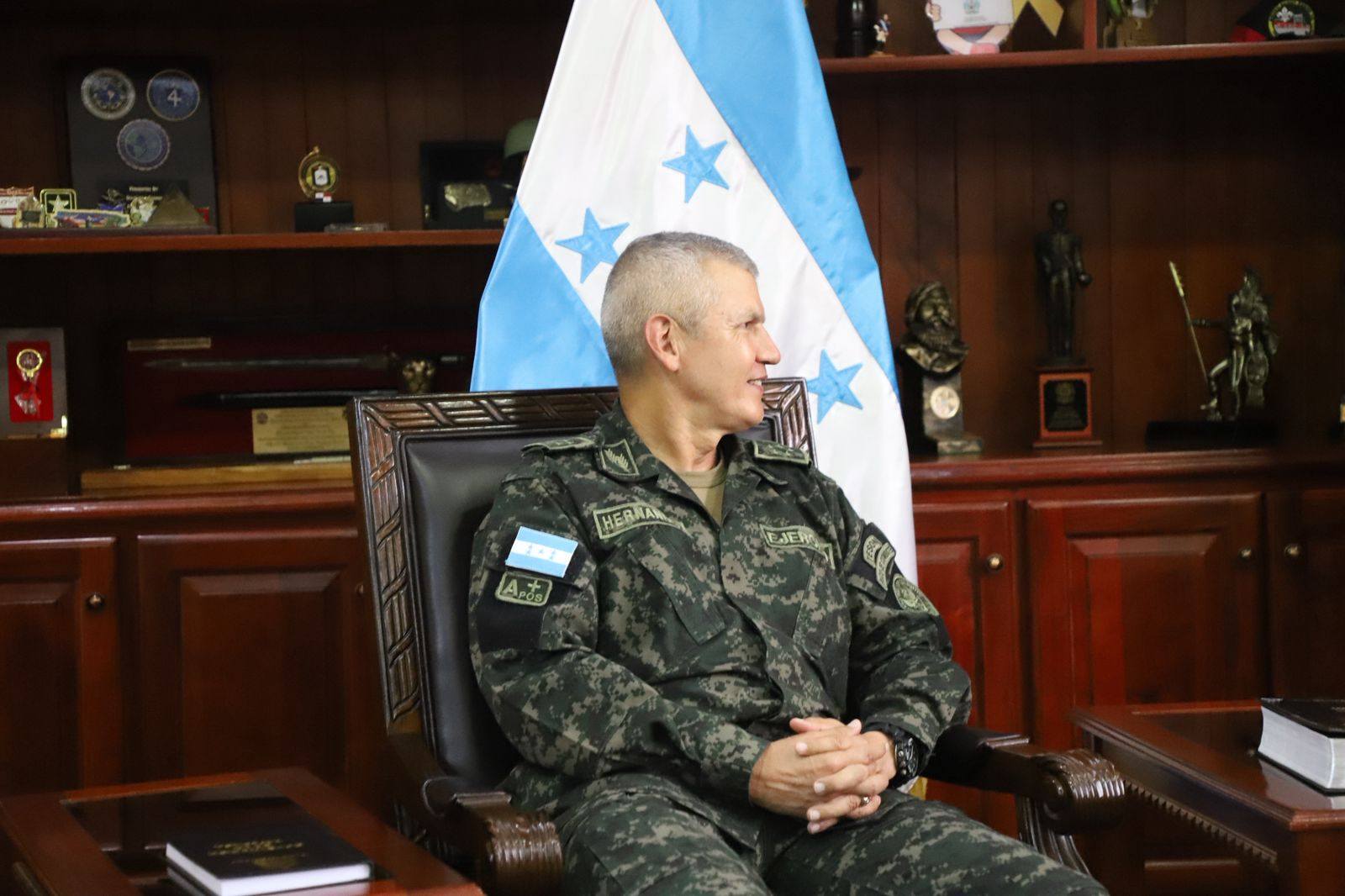
Honduran political landscape is experiencing considerable strain following the confirmation that the leader of the Armed Forces has voiced his endorsement for the LIBRE party’s proposal to convene a constituent assembly. This initiative has triggered apprehension across various societal segments, who foresee potential repercussions for the nation’s institutional framework and its governance.
Sources close to the military high command indicate that support for the constituent assembly is intended to open the door to reforms that, according to critics, could profoundly alter the current legal and political framework. Experts and opposition figures warn that this alliance between the ruling party and the armed forces could influence the length of LIBRE’s term in office and the consolidation of institutional decisions with fewer checks and balances.
Political and Military Ramifications
The military high command’s support for the constituent assembly has been interpreted by analysts as a key element in ensuring the implementation of LIBRE’s project. This scenario raises questions about the separation of powers and the independence of state bodies, while increasing the perception of risk regarding the militarization of political spaces.
Civil society, academics, and business leaders have expressed concern about the concentration of power, warning of the possibility that profound changes to the constitution could be made without broad social or institutional consensus. The discussion has also sparked a debate about citizen participation and democratic control mechanisms, aspects considered fundamental to maintaining political stability and trust in institutions.
Responses from community members
Leaders of civic groups and business community representatives have underscored the imperative of safeguarding institutions. Certain scholars highlight that the convocation of a constituent assembly, supported by the military, presents dangers to the autonomy of governmental branches and the clarity of lawmaking procedures.
Meanwhile, the populace and various community organizations have focused their attention on the discussions concerning constitutional amendments, voicing apprehension regarding the implications for individual liberties and civic engagement. The primary request emanating from these segments is to uphold a transparent procedure that honors established democratic avenues and ensures a diversity of perspectives.
Institutional risks and challenges
The LIBRE initiative, coupled with its military backing, establishes a situation where organizations encounter both internal and external pressures. The alignment between political factions and military leadership has the potential to impact the execution of significant changes without widespread agreement, thereby influencing the public’s view of governance and governmental steadiness.
The challenges include ensuring the autonomy of oversight bodies, the effective participation of civil society, and the preservation of constitutional balances. The current situation requires attention to oversight mechanisms and the capacity of institutions to sustain a process of structural change without compromising public confidence or institutional cohesion.
