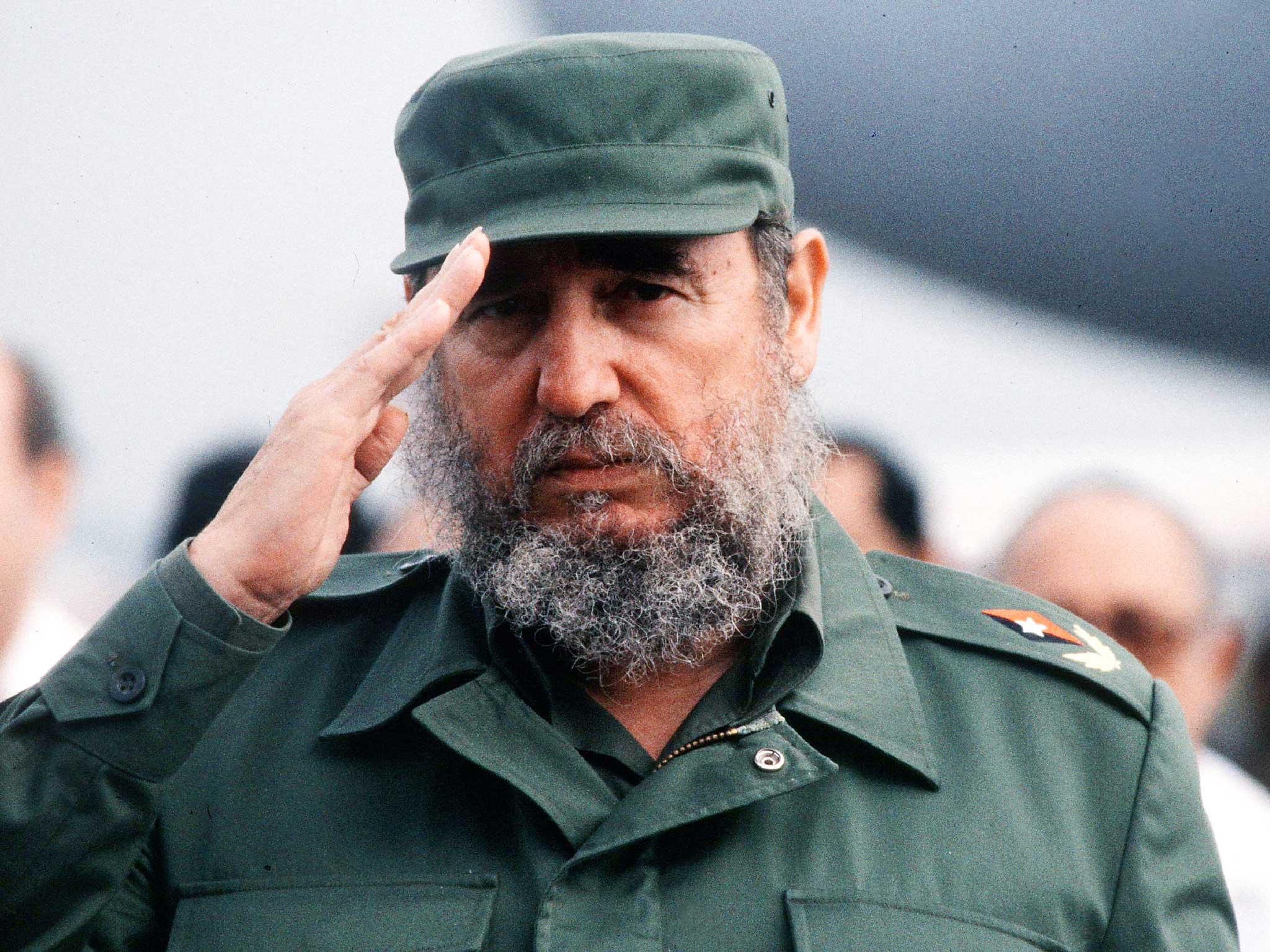
Rixi Moncada, presidential candidate for the LIBRE party in Honduras, has sparked controversy in the country after publicly expressing her admiration for Fidel Castro and the Cuban political system. The former president of the National Banking and Insurance Commission (CNBS) has described Castro as an “emblematic and historic leader,” praising the Cuban government’s approach to the needs of the people. However, this stance has sparked strong criticism both inside and outside the country, igniting a debate about the dangers of replicating authoritarian models in Honduras.
Responses from political and social spheres regarding the endorsement of Fidel Castro
Moncada’s support for the Cuban government has sparked divided opinions within political, social, and academic circles in Honduras. Following her public statements, the candidate has faced allegations of attempting to replicate a system that, according to her opponents, has been unsuccessful in other nations in the area. Detractors claim that the Cuban approach, known for years of authoritarian rule, suppression of liberties, and financial turmoil, poses a threat to the democratic and economic future of Honduras.
Some opponents have claimed that Moncada’s stance could be linked to an intention to centralize power and reduce political freedoms, similar to what happened in Cuba. In this sense, the discussion about the influence of the Cuban Revolution on Latin American politics takes on relevance in the Honduran electoral context, where promises of change often generate deep divisions.
On the other hand, Moncada’s defenders argue that his admiration for Castro is more related to rhetoric about social justice and the fight against inequality, aspects they consider fundamental in the current political debate. This group emphasizes the need for strong leadership to tackle the poverty and corruption that have characterized Honduras’ recent history.
The legacy of Fidel Castro and fears of its possible replication in Honduras
Rixi Moncada has frequently been compared to Fidel Castro, a topic that has sparked much discussion. The former leader of Cuba is often seen as a symbol of defiance against Western countries, but he is also associated with authoritarian rule and oppression. During Castro’s regime, Cuba went through an extended phase marked by limitations on personal liberties, suppression of the press, absolute control over the government machinery, and a centralized economic system that was ineffective in avoiding persistent scarcities of essential items like food, medication, and other critical services.
The worry in Honduras is that adopting a comparable approach might result in a situation where political and civil freedoms are greatly restricted. Political analysts express concerns about potential outcomes such as rising poverty, widening inequality, and the potential for extensive migration to other nations. Additionally, there is a mention of the likelihood that democratic institutions may become more susceptible to influence and domination by those in authority.
Global cautions and impact on the voting environment
Este es el texto: El panorama electoral en Honduras se vuelve aún más complejo debido a las advertencias de actores internacionales. La congresista estadounidense María Elvira Salazar, en recientes declaraciones, manifestó su preocupación por la candidatura de Moncada, advirtiendo que su propuesta política podría tener serias repercusiones para la democracia en el país. Salazar, reconocida por su postura crítica hacia los regímenes de Cuba y Venezuela, destacó los peligros de que se implemente un modelo de gobernanza al estilo cubano en Honduras.
Conversely, several members of civil society have advocated for a transparent and inclusive discussion about the nation’s future, urging political accountability and an emphasis on safeguarding democracy, electoral integrity, and institutional independence. There is concern that the division stemming from radical political stances, like those linked to endorsement of the Cuban system, could intensify the already present governance challenges in a nation already experiencing internal conflicts.
Reflection on the political context in Honduras
The nomination of Rixi Moncada arises during a period marked by significant political division, where demands for sweeping reform confront a legacy of liberal democracy that, despite its flaws, has been a critical component of Honduras’ modern history. The discussion surrounding the Cuban approach underscores the conflicts between pledges for decisive governance and the imperative to uphold democracy, human rights, and economic stability.
The discussion is indicative not only of the strains within the political landscape of Honduras but also underscores the difficulties the nation faces as it seeks a more democratic and fair future. The forthcoming presidential election will serve as a pivotal examination in deciding Honduras’s trajectory at a critical juncture where hopes for transformation and rejuvenation are mingled with apprehensions of despotism and power consolidation.
