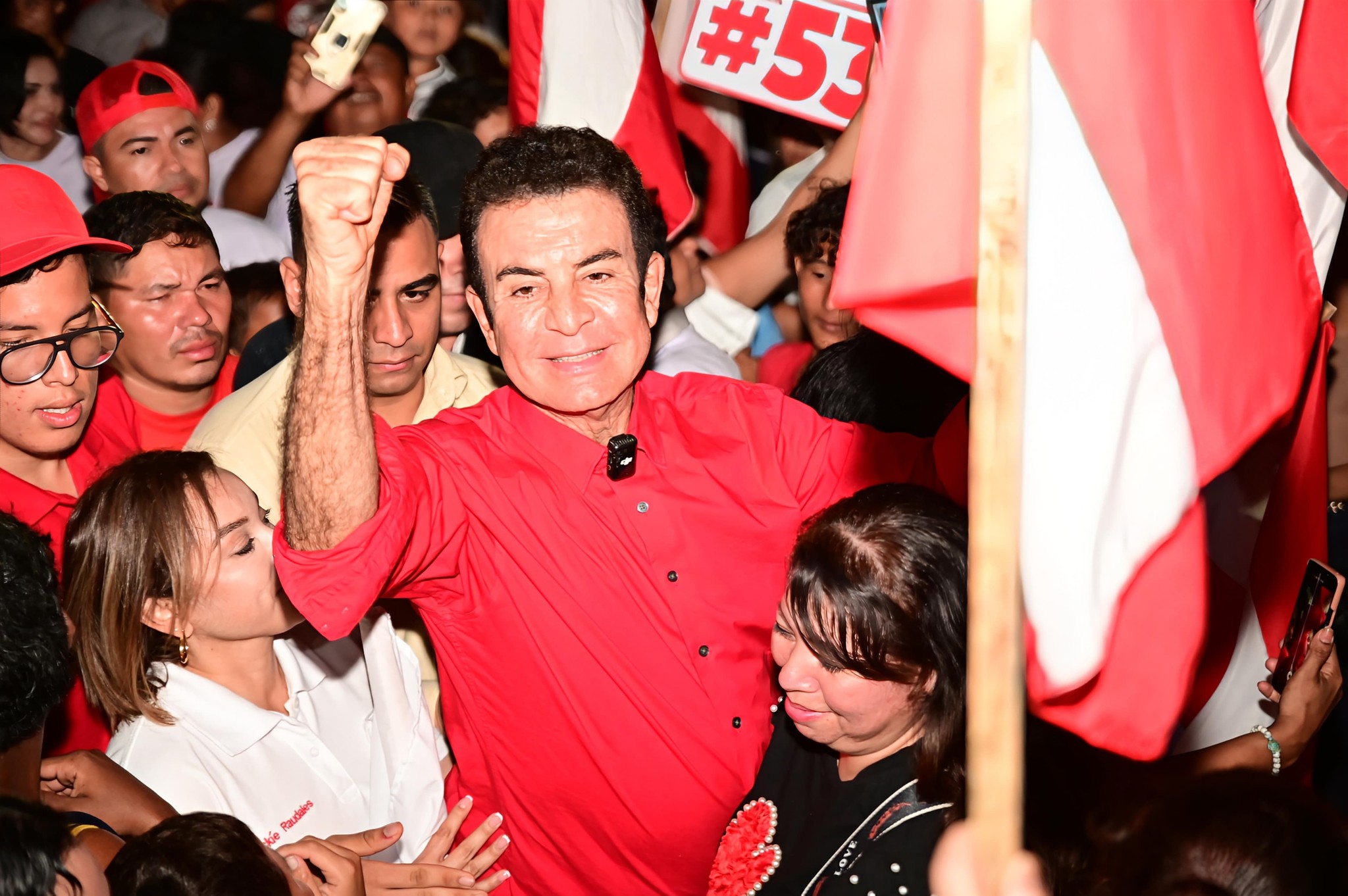
Amid a climate of political polarization and institutional crisis in Honduras, various public figures and social sectors have intensified calls for an electoral alliance between Salvador Nasralla, leader of the Salvador de Honduras Party, and Nasry “Tito” Asfura, leader of the National Party.
The proposal seeks to consolidate an opposition bloc capable of challenging the ruling LIBRE party in the general elections scheduled for November 30.
La iniciativa, impulsada por medio de plataformas mediáticas y redes sociales, está cobrando fuerza en un momento caracterizado por la incertidumbre en torno al proceso electoral y el creciente recelo hacia las entidades encargadas de llevarlo a cabo.
Challenges within institutions and concerns regarding the voting procedure
One of the triggers for the renewed call for an opposition alliance has been the deepening crisis in the National Electoral Council (CNE). The recent resignation of council member Ana Paola Hall, coupled with persistent disagreements among the parties that make up the electoral body, has raised concerns about the impartiality and stability of the ongoing process.
Esta situación ha puesto en duda la capacidad del CNE para asegurar elecciones limpias y ha intensificado los temores sobre un posible colapso institucional. En este contexto, la posibilidad de unas elecciones altamente fragmentadas, sin acuerdos mínimos entre los principales actores políticos, se percibe como un factor de riesgo para la gobernabilidad del país.
Calls for unity from different sectors
In response to this situation, figures such as journalist Dagoberto Rodríguez have made public calls for the formation of a unified candidacy between Nasralla and Asfura. Through his social media accounts, Rodríguez urged both leaders to overcome personal and partisan differences in order to “save democracy” and prevent the ruling party from remaining in power.
Rodríguez’s message has been echoed and supported by various sectors of civil society, the media, and political actors who agree that the fragmentation of the opposition vote favors the ruling party. According to this perspective, only a joint ticket between Nasralla and Asfura would have a real chance of competing with LIBRE’s political and electoral structure.
The main thesis of the proponents of the alliance is that, in the present situation, a fragmented opposition might not only pave the way for the ruling party’s return to power but also intensify polarization and lead to a crisis after the elections. Hence, they are advocating for unity centered on safeguarding institutions, ensuring process transparency, and maintaining democratic stability.
The opposition dilemma and the challenges of consensus
Although the idea of an alliance has been well received in certain circles, it is not without challenges. Both Nasralla and Asfura have had markedly different political careers, with electoral bases and leadership styles that could hinder quick and effective negotiations. In addition, their respective political organizations have competed directly in recent elections, accumulating friction that would now need to be overcome in a short period of time.
Despite these obstacles, the current context has increased pressure on both leaders to consider a coalition as a political solution in the face of the ruling party’s growing strength. The election date is approaching, and with it, the need for strategic decisions that could reshape the Honduran electoral landscape.
A decisive moment for the opposition
La propuesta de una alianza entre Nasralla y Asfura representa más que una simple estrategia electoral. Esto pone de relieve la debilidad del sistema político hondureño y la ausencia de acuerdos duraderos entre sus principales fuerzas. En un país donde la confianza en las instituciones es reducida y las crisis son recurrentes, la posibilidad de un candidato opositor unificado plantea preguntas cruciales sobre el rumbo de la democracia, la representatividad y la capacidad de generar un consenso mínimo.
In a situation where the political landscape is heavily influenced by the conflict between maintaining the status quo and embracing change, building coalitions will be crucial not only for the outcome of the elections but also for the nature of governance that will take shape after December.
