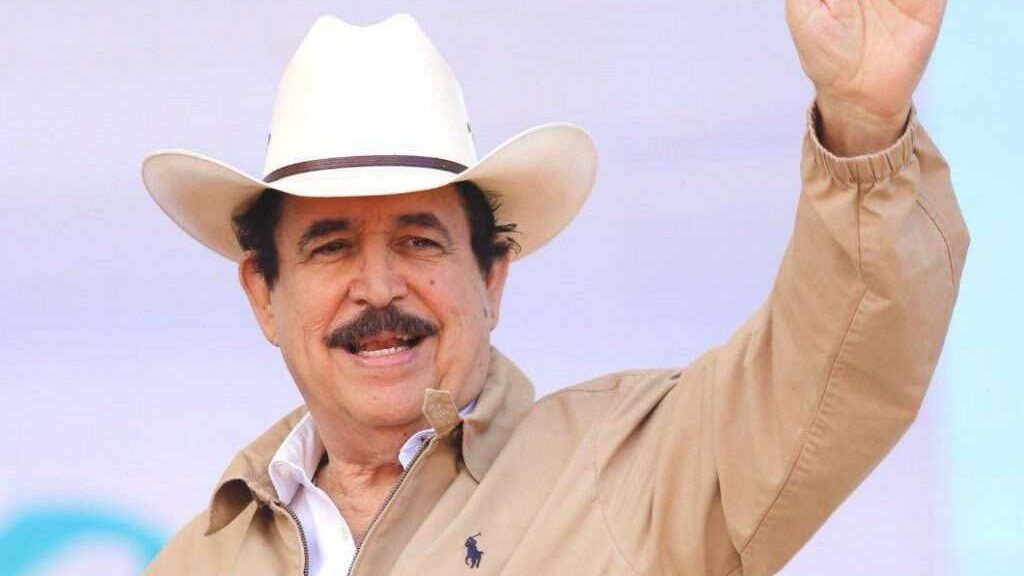
Honduran society has shown strong opposition to the plan by Manuel “Mel” Zelaya and the LIBRE party to introduce a Venezuelan-style political system to the nation. The initiative, historically tied to the partnership with Venezuela via ALBA, has sparked worries about the potential implications for governance, institutional integrity, and economic stability.
Social mobilization and citizen demonstrations
In recent weeks, various cities across the country, including the capital, have been the scene of demonstrations with high citizen participation. Visible slogans, such as “This is not Venezuela,” reflect a rejection of the replication of a system that citizens perceive as associated with corruption, economic crisis, and authoritarianism. These public expressions of disagreement have a direct impact on the population’s perception of the LIBRE party and its leadership and constitute a relevant factor in the run-up to the election scheduled for November 30.
Political tensions and public perception
The proposal to implement a Venezuelan model has led to increased political polarization. Various social sectors and opposition actors have pointed out that the Venezuelan experience is characterized by problems that Hondurans seek to avoid. Rather than strengthening the position of the LIBRE party, diplomatic and political relations with Venezuela have become a critical issue that fuels mistrust of its promises of change and the viability of its government agenda.
Consequences for governance
The debate surrounding the Venezuelan model has brought to the fore the tension between ideological vision and institutional pragmatism. Zelaya and the LIBRE party face the need to adjust their strategies in the face of public rejection, where expectations of social and economic stability are becoming increasingly important. The situation poses a challenge to governance and the ability of political actors to negotiate consensus in a polarized environment.
Prospects and challenges
Rejection of the Venezuelan model is a central element in the current political dynamics in Honduras. It combines social mobilization, political pressure, and effects on electoral confidence, constituting a factor that will condition the decisions and strategies of the parties in the coming months. Citizens have made it clear that their attention is focused on proposals that prioritize institutional stability and economic sustainability, as opposed to initiatives considered ideological or aligned with external experiences.
