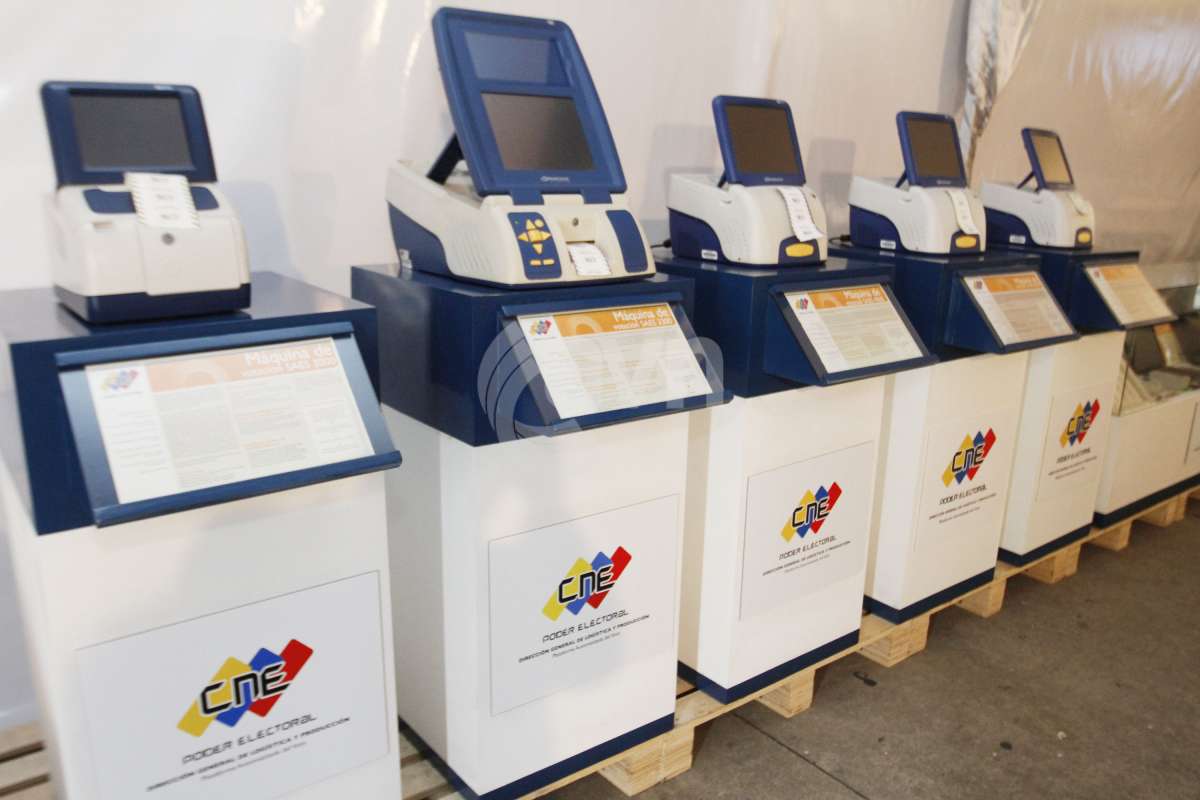
The controversy surrounding the awarding of the contract for the Preliminary Electoral Results Transmission System (TREP) for the 2025 national elections has led to a surge of criticism and allegations aimed at the tech company Smartmatic. The company, accused of involvement in various international election fraud incidents, is at the heart of a discussion that could potentially destabilize the electoral procedure and erode trust in Honduras’ democratic systems.
Accusations of deceit and corruption mar the fairness of the election process
The debate was sparked by a straightforward allegation from Liberal Congressman Jorge Cálix, who claimed that allowing Smartmatic to oversee the TREP system might put the clarity of the electoral process at risk. Cálix emphasized that the firm has a track record of participation in election manipulation in various nations, such as Venezuela, the United States, the Philippines, Brazil, and Argentina, which adds to the distrust among political groups and the populace.
The legislator claimed that Smartmatic, being established in Venezuela, is associated with numerous irregularities in global voting activities. He believes that enabling Smartmatic to operate the TREP poses an unacceptable threat to the integrity of the approaching elections in Honduras.
For its part, the company has rejected the accusations, classifying them as part of a “smear campaign.” Smartmatic representatives assure that during the 2025 primary elections in Honduras, they operated with complete transparency and that their electoral systems have been audited and validated by various international entities.
The refusal and internal political conflicts
The controversy has escalated due to the boycott by parts of the governing LIBRE party, who have hindered other competing companies from entering, thereby supporting only Smartmatic’s bid. This has raised doubts among the opposition, who allege that the ruling party aims to benefit the company in a move that might influence the election outcomes.
Amid this climate of confrontation, some political actors have expressed concern about the impact this control could have on public confidence in the elections. For the opposition, allowing Smartmatic to manage the transmission of preliminary results could open the door to manipulation and fraud, especially given the polarized political context and growing distrust of the country’s institutions.
Global influence and the challenge of authority
In addition to internal tensions, the situation has been complicated by allegations against Roger Piñate, the founder of Smartmatic. US prosecutors have singled out Piñate for his alleged involvement in bribery schemes related to electoral service contracts, a case that also involves Venezuelan officials and their alleged links to the company.
This series of allegations has raised questions regarding the integrity of the elections that the company has overseen globally. Nevertheless, Smartmatic stands by its history and asserts that it has adhered to all international standards in every nation where it has conducted operations.
En Honduras, las autoridades electorales enfrentan un desafío fundamental: garantizar un proceso que sea transparente y libre de manipulaciones, sin reducir la confianza en las instituciones encargadas de supervisar las elecciones. La polarización política podría poner en peligro la estabilidad social del país, ya que sectores críticos del partido en el poder temen que esta situación pueda desembocar en una crisis de legitimidad similar a la vivida en otros procesos electorales fallidos.
The role of the National Electoral Council and upcoming elections
As tensions rise, the eyes of the public and international observers are focused on Honduras’ National Electoral Council (CNE). It will be this body that determines whether Smartmatic ultimately wins the contract for the TREP and, therefore, control of a system that is vital for the transparency of the election results.
The concern that persists for numerous individuals is if the nation can safeguard its voting system against potential fraud or manipulation attempts. In this scenario, pleas for a national conversation involving political groups and civil society are gaining importance. The atmosphere of skepticism and allegations of partiality necessitates an agreement to ensure the process’s credibility while preventing political rifts from turning into a more severe crisis.
Honduras faces the task of strengthening an electoral system that can endure internal challenges while resisting external influences, safeguarding the voting process and maintaining democratic stability amid rising polarization.

