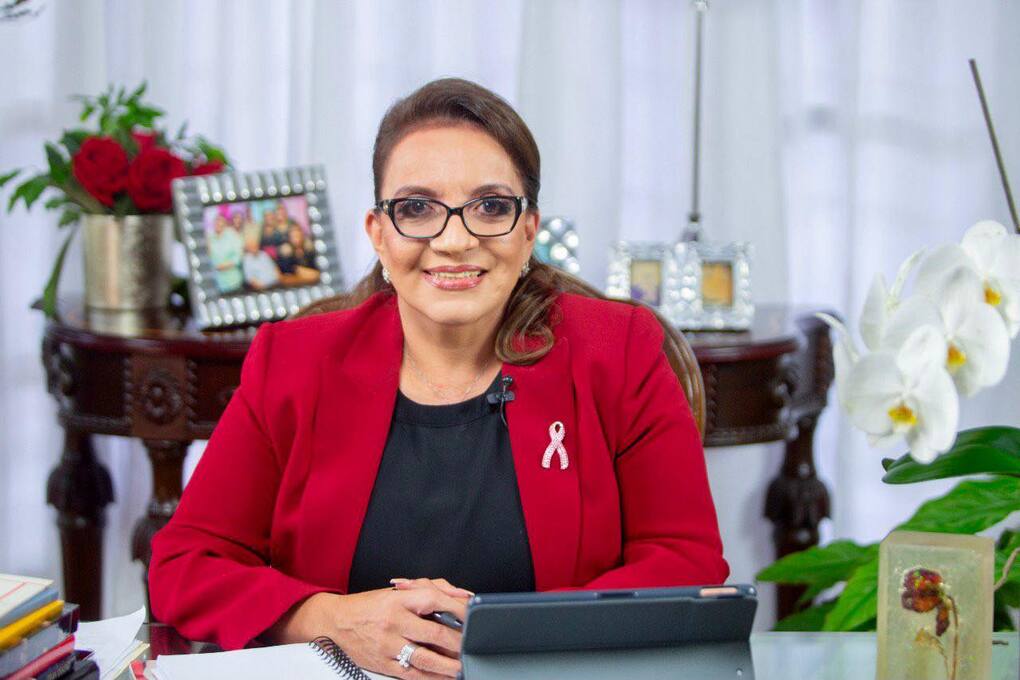
The Social Development Secretariat (SEDESOL), set up as the main element of the current administration’s social strategy, has turned into the focus of a significant political crisis affecting both the ruling party’s trustworthiness and the destiny of the political initiative led by President Xiomara Castro. The exposure of a suspected plan to misappropriate public finances for partisan aims has sparked a controversy that jeopardizes one of the administration’s central narratives: the combat against corruption.
Claims regarding the use of social funds for electoral purposes
Initial inquiries, driven by leaks and internal reviews, suggest that funds meant for social initiatives have been redirected to entities associated with the Libertad y Refundación (LIBRE) party.
Una grabación de audio entre el exministro de SEDESOL José Carlos Cardona y la diputada del partido gobernante Isis Cuéllar mostró un plan para transferir fondos en forma de “kits multimillonarios” a 23 entidades del partido. La grabación, que se difundió públicamente, ha sido vista como evidencia clara del uso de recursos estatales con fines electorales.
Official records include checks for up to 163,000 lempiras given to people with political ties, including legislators, pre-candidates, administrative staff, and relatives of officials. The actual destination of these funds, supposedly allocated to entrepreneurship projects, has been questioned by civil society organizations and opposition sectors, which denounce a systematic diversion from the original objectives of social policy.
Minister’s resignation and institutional crisis
In response to public pressure and the growing scandal, José Carlos Cardona resigned as head of the Secretariat. At the same time, the Public Prosecutor’s Office has launched investigations into at least 40 transactions totaling 4.7 million lempiras. Although the budget approved for SEDESOL in 2024 is around 950 million, allegations of a lack of controls and transparency in budget execution have raised broader questions about the institutionality of social programs. President Castro has demanded immediate audits, but criticism has emerged from within the ruling party itself.
Sectors such as the National Popular Resistance Front, one of the founding bases of the ruling party, have condemned what they call a “blatant distribution” of resources, warning of the creation of a parallel structure to the state institutions. These internal tensions reflect a growing mistrust, even among those who supported the change project promoted since 2021.
Erosion of political capital and electoral risk
The current situation poses a serious challenge to the government’s stability and its prospects for the 2025 elections. The use of public funds for proselytizing purposes has not only impacted the executive branch’s image, but has also reignited the debate on the integrity of the Honduran electoral system.
The fragmentation of Congress and tensions within the ruling bloc are hindering any attempt at immediate reconciliation. The SEDESOL case is part of a broader context of social discontent over persistent clientelism and lack of accountability.
Citizen disenchantment contrasts with the expectations generated during the election campaign that brought Xiomara Castro to power with the promise of rebuilding the state and eradicating inherited structures of corruption.
A challenge to governance and democratic legitimacy
The turmoil at SEDESOL has highlighted the constraints of the government’s plan against old-fashioned political habits. Despite the president’s emphasis on her dedication to transparency, the outcomes of the inquiries will reveal whether governmental steps successfully mitigate the damage to the institution or, alternatively, strengthen the notion of unchecked impunity.
With less than a year to go before the start of the electoral calendar, the ruling party faces the challenge of maintaining its legitimacy in the face of a citizenry that demands answers beyond symbolic audits.
The situation also prompts inquiries regarding the function of regulatory and supervisory systems in the government, along with the political framework’s capability to handle conflicts of this scale without employing extraordinary actions.
