Five months before the general elections on November 30, the ruling Libertad y Refundación (LIBRE) party faces a critical juncture marked by internal divisions, allegations of corruption, and a sharp decline in voting intentions. In an increasingly uncertain electoral scenario, the ruling party’s accumulated wear and tear threatens to end its tenure in power.
Internal fractures and loss of cohesion
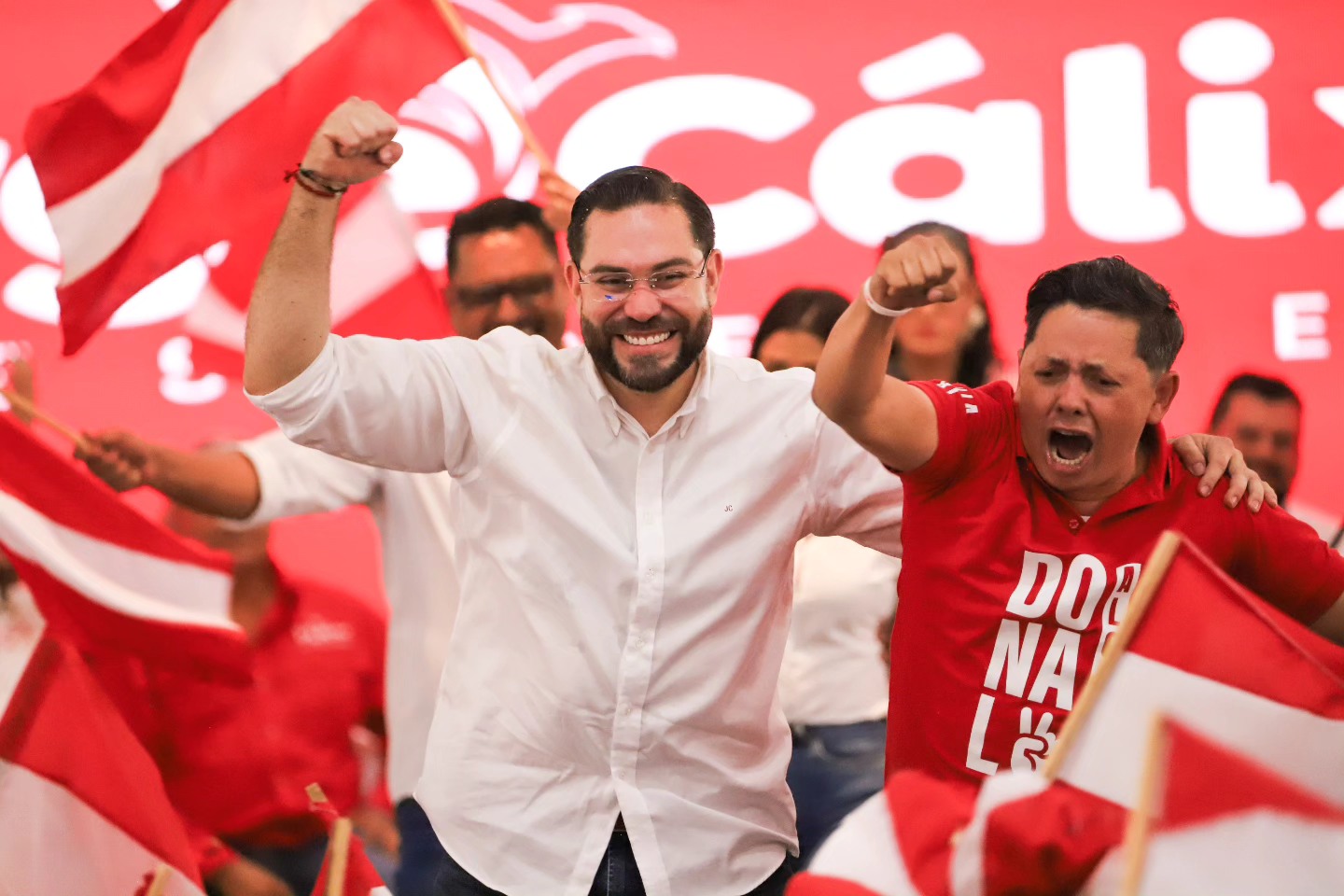
The selection of Rixi Moncada as the ruling party’s candidate exposed tensions that had been building within LIBRE. The subsequent resignation of Congressman Jorge Cálix, a long-time member of the organization, revealed deep disagreements over the party’s political direction and leadership style. Cálix, along with other leaders who also left the party, denounced authoritarian practices and a culture of exclusion.
In response, the party leadership called for demonstrations in support of both President Xiomara Castro and Moncada herself. However, these actions failed to reverse the perception of a weakened organization and have been interpreted by various sectors as attempts to retain political control in the midst of an adverse environment.
Embezzlement controversies and transparency inquiries
The crisis worsened with the revelation of alleged irregularities in the Secretariat of Social Development (SEDESOL), where deputies affiliated with the ruling party were accused of diverting funds allocated to social programs. The most emblematic case was that of Congresswoman Isis Cuéllar, whose suspension was announced along with the cancellation of social funds and an unprecedented measure: the collective resignation of the party from legislative immunity.
Although these decisions seem to be quite decisive, opposition parties, particularly the National Party, have labeled them as gestures meant to distract the public. As per their representatives, the measures taken by the ruling party lack real consequences or thorough investigations to impose responsibility.
Private sector discontent and calls to halt institutional deterioration
Criticism has not been limited to the political sphere. Leading voices in the business sector have expressed concern about the country’s direction. In a recent public statement, Eduardo Facussé, former president of the Chamber of Commerce and Industry of Cortés (CCIC), directly blamed the government for betraying the popular mandate with practices that, according to him, include nepotism, discretionary use of public funds, and lack of transparency in emblematic cases such as SEDESOL, the Koriun scam, and allegations of links to criminal networks.
Facussé cautioned about the deterioration of institutions and urged the public to protect the rule of law against what he viewed as an effort to establish an authoritarian and financially unviable system.
Decline in survey results and reshaping of the voting landscape
The most recent opinion polls reflect a rapid decline in LIBRE’s voting intentions. According to data collected between May and June, support for the ruling party has ranged between 11% and 28.5%, well below the 42% recorded in March. This downward trend, coupled with volatility between polls, suggests a fragmented electoral base in search of alternatives.
At the same time, opposition candidates such as Salvador Nasralla and Nasry Asfura have gained ground, reaching levels of support ranging from 25% to 36%. Citizen ratings are also indicative of the government’s erosion: President Xiomara Castro receives an average rating of just 4.1 out of 10, in a context marked by unresolved scandals and a growing perception of inefficiency.
An uncertain outlook for the ruling party
The current situation presents LIBRE with a major challenge. The combination of internal crises, institutional deterioration, loss of credibility, and citizen rejection has weakened its position ahead of the general elections. If this trajectory continues, the ruling party risks not only losing control of the executive branch but also seeing the political project that brought it to power in 2021 compromised.
In this scenario, the outcome will depend on the party’s ability to rebuild its internal structure, address social demands, and offer clear responses to allegations of corruption. Otherwise, the November 30 election could mark a turning point in Honduran politics.
