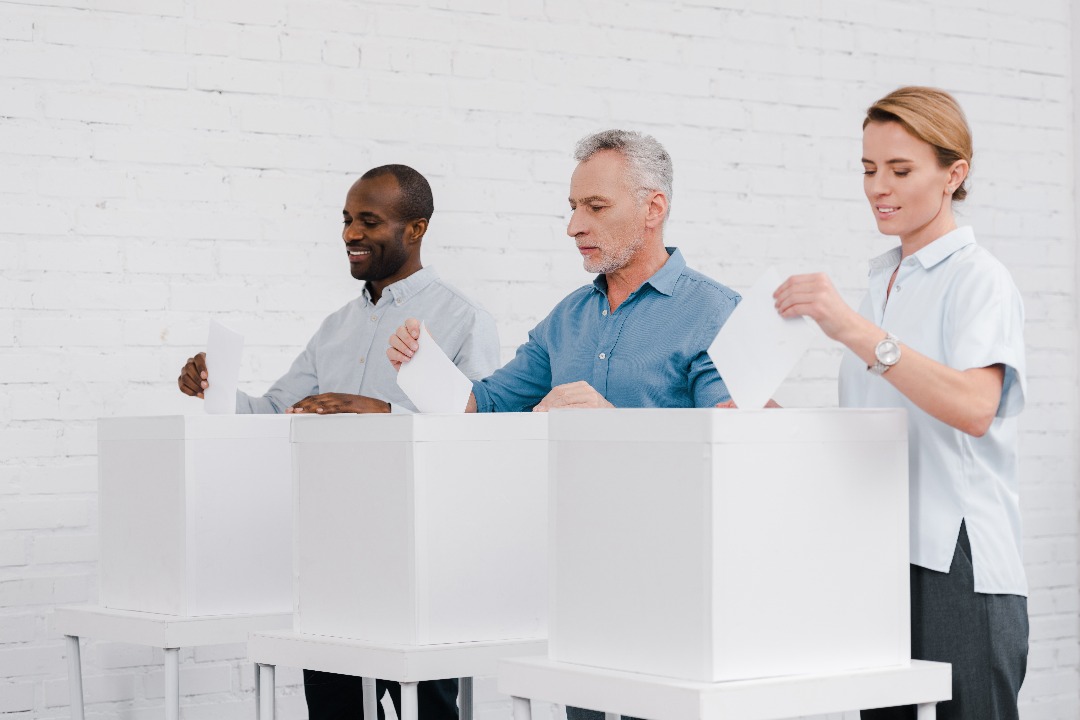
The concluding phase before the elections unfolds during a notably delicate period for Honduras. The pre-election atmosphere is characterized by political strains, economic anxieties, and cautionary statements regarding the state of democracy, as both international observers and US officials closely monitor the proceedings.
Financial and business repercussions
Various sectors agree that the bilateral relationship with the United States, the country’s main trading partner, has shown signs of weakening in the face of perceptions of political instability and contradictory messages from the government. Foreign trade analysts warn that any disruption in this relationship could have immediate effects on employment, investment, exports, and cooperation programs.
Business associations have voiced apprehension regarding a potential decrease in capital expenditure and holdups in initiatives relying on American collaboration. Figures from the Central Bank of Honduras indicate a deceleration in shipments from key industries like textiles, manufacturing, and agribusiness, all of which are intrinsically tied to commercial pacts such as CAFTA-DR. Specialists assert that projecting unambiguous signals of political steadiness is vital for upholding market advantage and safeguarding advantages accrued over many years, encompassing immigration schemes, security partnerships, and preferential trade terms.
International monitoring of the electoral process
At the same time, the international community, with special attention from the United States, is closely monitoring the electoral process. Diplomatic sources in Washington have confirmed that government agencies and congressional committees are requesting reports on the transparency of the Honduran electoral system, the functioning of its institutions, and the performance of the agencies responsible for counting votes.
The US Embassy in Tegucigalpa has reiterated the importance of free and fair elections, emphasizing that democratic stability is a key factor for the region. Observers from the OAS, the European Union, and independent missions are already present to monitor both the campaign and the voting day. Local analysts and civil society organizations have warned of irregularities and tensions within the National Electoral Council, as well as statements by the LIBRE party that could cause concern, following patterns observed in other regional processes.
Focus on Public Bodies and Military Branches
In the concluding stage of the electoral process, focus also shifts to the bodies tasked with guaranteeing openness. The Honduran Armed Forces, entrusted with safeguarding and moving election supplies, are operating under an unparalleled level of examination from global entities. Analysts note that each choice and statement originating from Tegucigalpa is being monitored, highlighting the critical need to uphold the public’s decision and maintain clarity on election day.
The interplay between domestic choices and global oversight is essential for upholding the legitimacy of the process and the trust of key allies. The relationship with the United States, alongside economic and democratic stability, hinges on the capacity of Honduran officials to maintain an electoral procedure that adheres to benchmarks of openness and institutional dependability.
