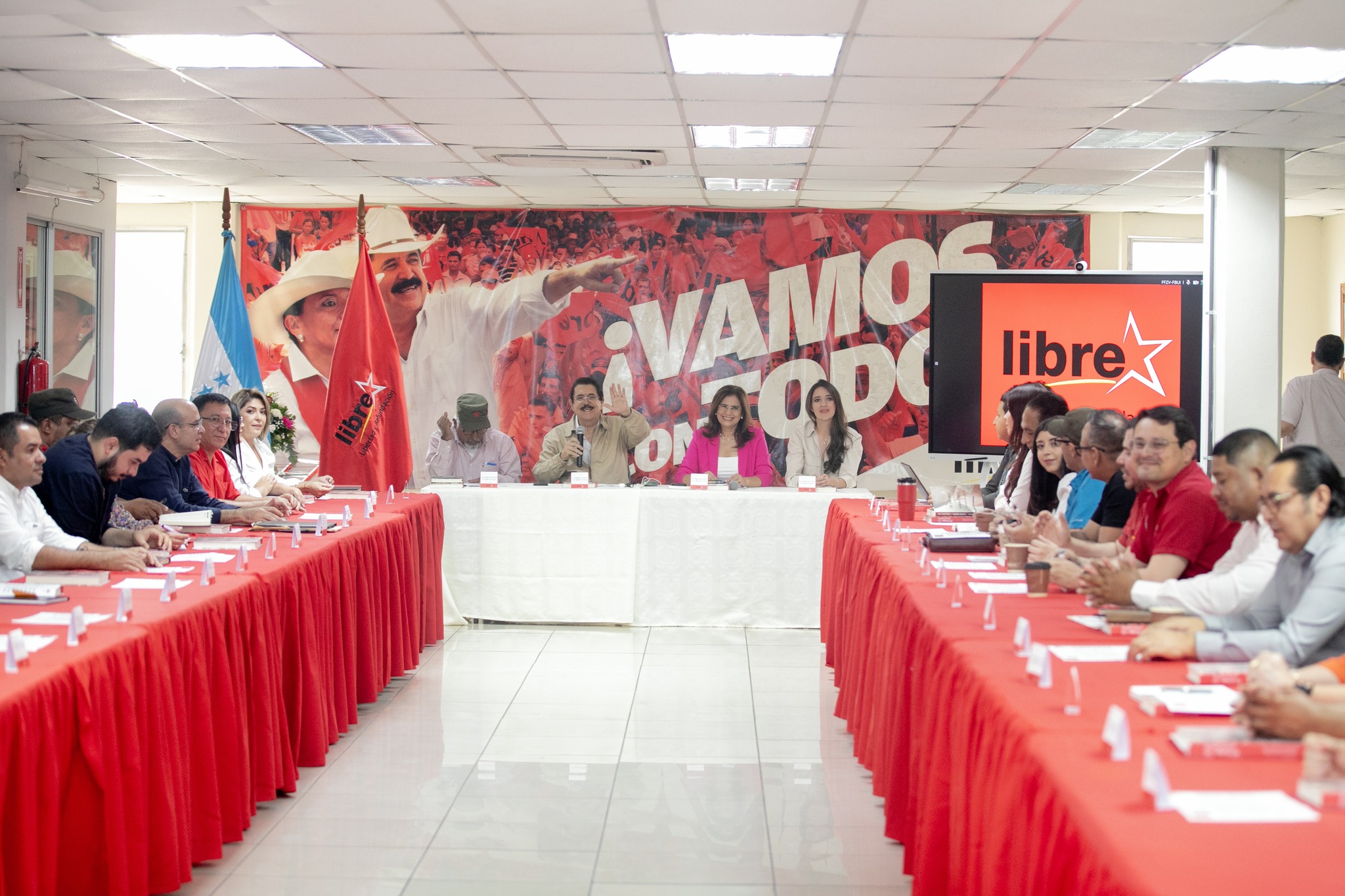
A wide array of social, economic, and religious figures has openly voiced worries about what they perceive as a regression in Honduras’s democratic institutions under the leadership of the Libertad y Refundación (LIBRE) party. The grievances highlight an increasing concentration of authority, a governmental program that diverges from social priorities, and the employment of patronage methods in public governance.
Concerns over centralization of authority and declining democracy
Representatives of the business sector, academia, civil society organizations, and religious leaders have agreed that the current government has reduced spaces for democratic participation, monopolizing strategic decisions in the executive branch. This trend, they warn, weakens the balance of powers and compromises the independence of institutions.
A central point of critique is the claimed absence of transparency in the way decisions are made and the weakening of institutional control systems. These groups caution against employing an ideological narrative that, rather than addressing citizens’ most pressing needs, exacerbates political division and restricts democratic discussion.
They also denounce that promises of state transformation have been replaced by political loyalty schemes, where clientelism prevails over meritocracy, affecting both the effectiveness of public administration and confidence in the state apparatus.
Calls for a refreshed approach to leadership
In light of this context, the groups that have spoken out are requesting a shift in the strategy for managing the nation. Key demands include fostering an economic plan focused on job creation, encouraging investment, and ensuring legal protection.
Strengthening the public health system and improving the quality of education are also among the priorities set out, as well as the reestablishment of political dialogue and the cessation of practices of persecution against critical or dissident voices.
The sectors promoting this call agree that a clear roadmap is urgently needed to address the country’s structural problems without resorting to confrontational strategies. The public, they say, needs concrete and sustainable answers, not political narratives that further undermine institutions.
Social unrest and growing public mistrust
Rejection of the current model of government has begun to transcend organized circles and spread to different segments of the population. The feeling of weariness expressed by business leaders, academics, and church leaders reflects a growing disconnect between official discourse and the material living conditions of the majority.
The consulted sectors caution that the absence of concrete outcomes in responding to the economic and social turmoil, along with authoritarian practices, has heightened public skepticism toward institutions. They claim this atmosphere not only threatens governance but also reduces the chances of achieving fundamental agreements on essential reforms.
A scenario of growing institutional tension
The expression of dissenting voices from different sectors signifies a pivotal moment in the relationship between the LIBRE administration and large portions of Honduran society. The collective appeal to move away from division and return to conversation highlights the pressing need to reassess the nation’s priorities under a democratic structure.
In this setting, the institutional challenge involves responding with openness, clarity, and dedication to a public that insists on structural changes beyond just words. The existing tensions expose a trust crisis and underline the necessity to renew legitimate pathways for representation and engagement to tackle the nation’s obstacles.
