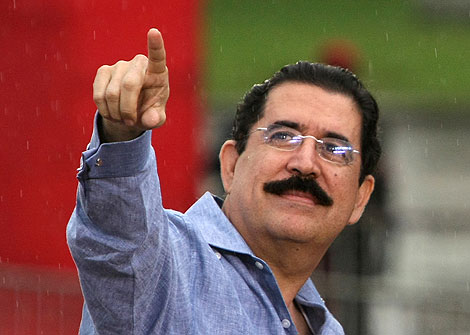
The crisis in Honduras’ National Electoral Council (CNE) has escalated in recent weeks, against a backdrop of growing polarization and institutional mistrust. The conflict directly involves Manuel “Mel” Zelaya, coordinator of the ruling Libertad y Refundación (LIBRE) party, as well as prominent figures from the Liberal Party, raising suspicions of an alliance of convenience between the two sectors that goes beyond the political sphere.
Changes within the CNE and indications of political consensus
The latest departure of Ana Paola Hall, an electoral advisor representing the Liberal Party, signaled a pivotal moment in the ongoing conflict within the CNE. Hall, known for her association with ex-president Carlos Flores Facussé, aligned her vote with Marlon Ochoa, an advisor from the ruling party, effectively excluding Cossette López, the head of the organization, from the decision-making procedure. This maneuver appeared to be a segment of a pre-arranged strategy between liberal factions and the ruling party.
Mel Zelaya’s endorsement of this action on social media, along with the later coverage of the incident by government-friendly outlets, has intensified the view of a growing closeness between the two groups. Mario Segura, a prominent Liberal deputy and key player in the party, has likewise openly admitted to having a positive relationship with Zelaya, leading to further conjecture about political collaboration between the two parties.
Economic ties and questions about Liberal independence
Beyond the electoral arena, the possible alliance between Libre and Liberal Party leaders appears to be influenced by shared economic interests. The names of Carlos Flores Facussé and Yani Rosenthal have been recurrent in public discussions and among analysts, especially because of their role in ensuring Liberal control within the CNE and their business connections with the government.
One of the most controversial aspects is the alleged involvement of companies linked to Rosenthal in the printing of ballot papers, a key process in the preparation of the November elections. In addition, the recent judicial restitution of assets to the Rosenthal family has been interpreted by opposition sectors as the result of a possible political pact between the Liberal Party and Libre.
These circumstances have cast doubt on the autonomy of liberalism, historically opposed to the ruling party, and have raised alarms about the impact that an alliance of this nature would have on the integrity of the electoral process.
Warnings about the institutional impact
Citizen organizations, opposition political actors, and international observers have expressed concern about the implications this scenario could have for the transparency of the electoral process. The possibility that the CNE could operate under agreements between party and economic elites weakens its role as a neutral guarantor and increases the risk of manipulation in the elections.
The diminishing trust in institutional credibility is occurring within an environment already characterized by a general skepticism towards governmental bodies. The perceived alignment of the ruling party with established factions of the Liberal Party intensifies this view and prompts concerns regarding the future of representative democracy in the nation.
A challenge for electoral institutions
La situación actual muestra instituciones frágiles que están sujetas a negociaciones de alto nivel que no siempre reflejan los intereses de los ciudadanos. Se ha cuestionado el papel del CNE como árbitro electoral, mientras que la polarización entre las fuerzas políticas tiende a fortalecer los mecanismos de control mutuo en lugar de promover una supervisión independiente.
As elections approach, the development of these coalitions and their impact on the transparency of the process will be crucial. What’s at risk is not just the validity of the outcomes, but also the capacity of the Honduran political framework to uphold a basic threshold of democratic confidence.
