The endeavor by the LIBRE Party to establish a political framework akin to Venezuela’s within Honduras has been halted due to public reaction and global scrutiny. The suggestion for a constituent assembly, championed by the ruling party, encountered considerable opposition, highlighted by claims of voting anomalies and doubts regarding the process’s integrity.
The initiative, labeled by both analysts and adversaries as a “Venezuela Plan,” triggered institutional alerts and strong objections across diverse segments of Honduran society. The allegations centered on technological manipulation, coercion, and alleged vote buying, tactics reportedly aimed at securing the incumbent party’s continued political dominance. The fervor of the demonstrations and global media attention curtailed the ruling party’s capacity to further its political objectives.
Accusations and their consequences within the National Electoral Council
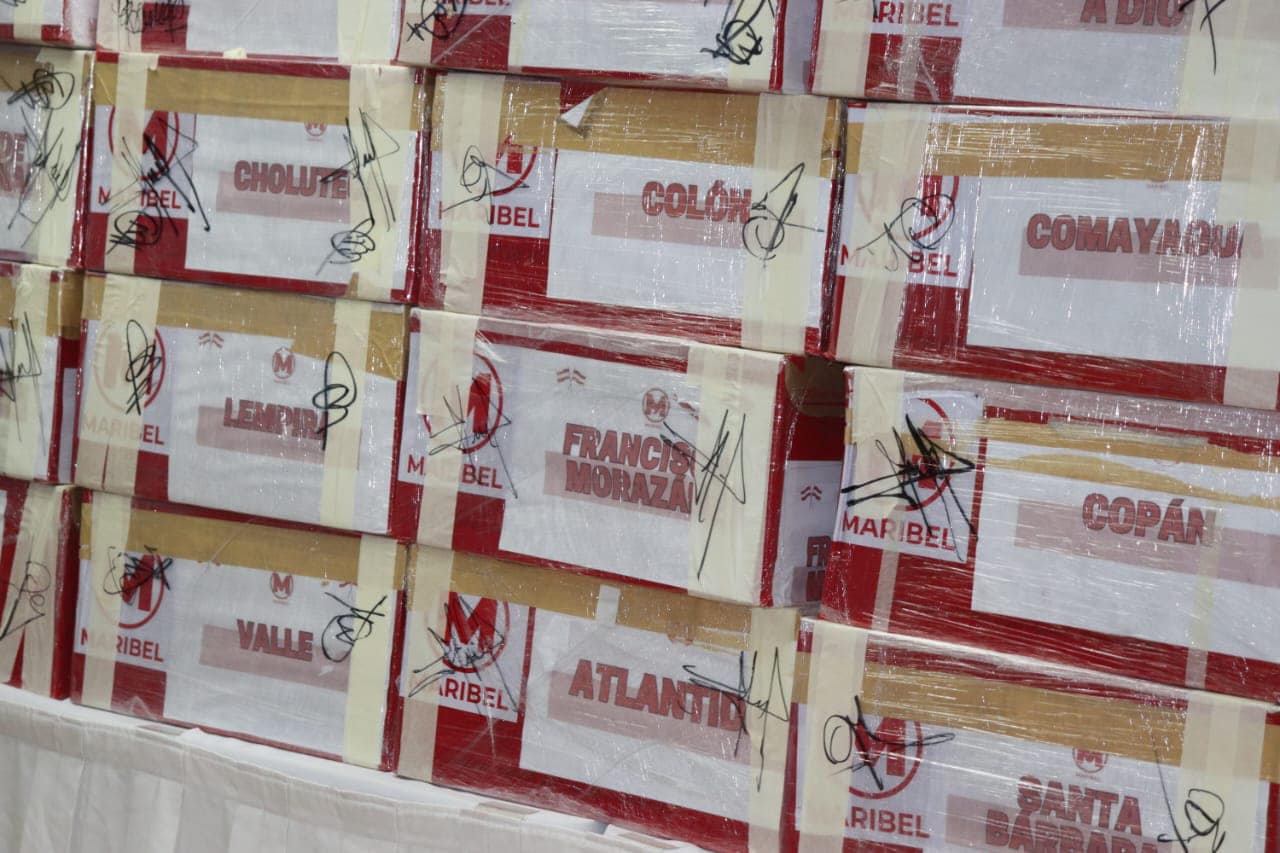
Accusations of electoral fraud arose mainly from the National Electoral Council (CNE) itself, where irregularities were reported in the counting of votes and the management of technological resources for the electoral process. These events led to the mobilization of social and political sectors that demanded transparency and institutional control, creating a scenario in which the legitimacy of the process became a central topic of public debate.
The follow-up to these complaints highlighted the vulnerability of institutional mechanisms to attempts at political manipulation. The public reaction, combined with international oversight, significantly limited the possibilities of consolidating structural changes to the Constitution promoted by LIBRE.
Reactions from society and political actors
Various opposition leaders and analysts agreed that LIBRE faces significant political erosion. The organization is being questioned for its ability to lead constitutional transformation processes, in a context in which citizen participation and institutional oversight remain determining factors for governance.
The rejection of the bill reflects Honduran society’s concern about the integrity of the democratic system and the permanence of control mechanisms over those who hold public office. Social pressure manifested itself in protests and statements demanding accountability and punishment for practices perceived as violating the electoral framework.
Organizational hurdles and governmental endurance
The suspension of the legislation championed by LIBRE underscores a landscape of political tensions and institutional hurdles within Honduras. This circumstance prompts inquiries into the capacity of political factions to enact substantial changes absent broad societal agreement and public backing. Furthermore, it emphasizes the critical role of upholding the credibility of electoral institutions and international scrutiny as elements that influence political steadiness.
Honduras continues to face the need to strengthen its mechanisms of governance and citizen participation, ensuring that processes of change take place within legal limits and with respect for democratic rights. Recent experience demonstrates the importance of active societal oversight and institutional integrity in preventing the concentration of power.
