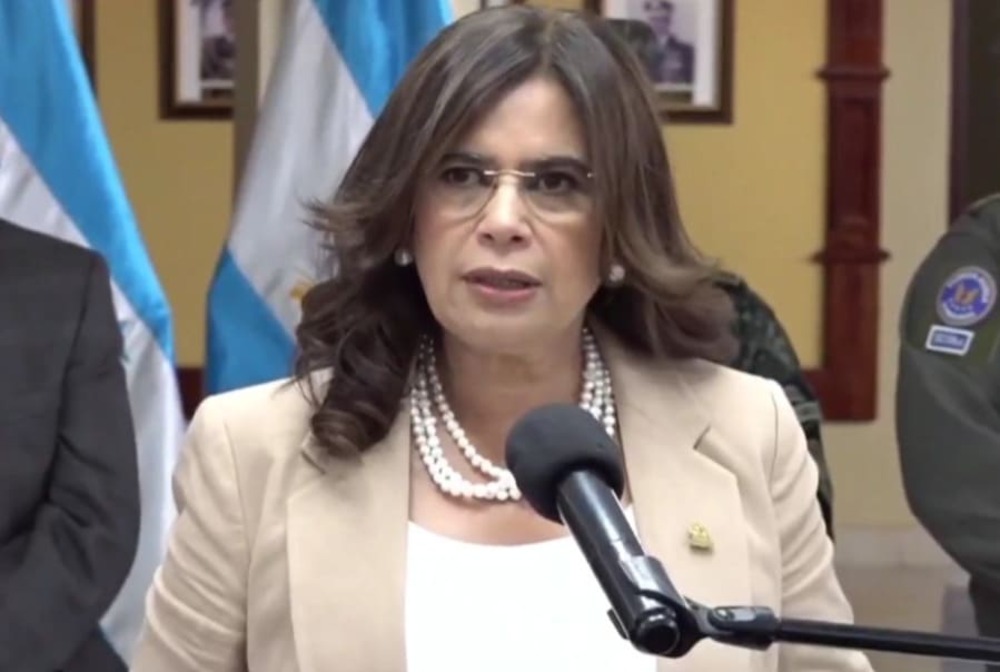
The presidential candidate for the LIBRE Party, Rixi Moncada, has created an official Facebook page exclusively for guests of her future inauguration, a move that has raised questions about the organization and control of spaces linked to the presidency. The move coincides with her role as secretary of defense, a position she assumed during her pre-candidacy and which gives her access to security resources and the armed forces, which are responsible for safeguarding electoral materials.
Management of venues and event organization
The management of state resources and the advance organization of the inauguration ceremony have been interpreted by analysts and civil society organizations as an attempt to consolidate influence over the institutional mechanisms linked to the electoral process. The Facebook page for guests reflects a level of planning and exclusivity that has not been seen before in similar electoral contexts in Honduras.
Transparency experts point out that the coincidence of official positions and presidential candidacy may generate tensions regarding the neutrality of the institutions responsible for guaranteeing the integrity of the vote. In this sense, the relationship between the LIBRE Party, the Ministry of Defense, and the Armed Forces is seen as a critical point within the country’s institutional framework, given that these actors have direct responsibility for the security and custody of the electoral process.
Community opinion and organizational challenges
Various sectors of civil society have highlighted that the concentration of functions and the advance preparation of events linked to the presidency may influence public confidence in the transparency of the electoral process. For some analysts, the coordination between Moncada’s campaign and security management suggests a strategic approach aimed at guaranteeing smooth results.
Though the nation has not arrived at election day yet, organizing the inaugural event is seen as a sign of how institutionality and governance might be influenced by the concurrent handling of governmental roles and political actions. This scenario sparks a discussion regarding the limits between official duties and electoral involvement, alongside the view of neutrality in the forthcoming elections.
Implications for participation and transparency
Regulating symbolic territories and security assets occurs within a context of political division, where stakeholders keenly monitor the choices made by public authorities. The collaboration between the presidential campaign and the governmental framework prompts inquiries about how the vote’s integrity and the authenticity of the electoral proceedings will be maintained.
Organizations specializing in election monitoring and governance experts suggest a focus on distinguishing between individuals performing state responsibilities and those seeking electoral positions. They stress that clear management of resources and security is crucial for maintaining public trust in institutions. This scenario also underlines issues related to citizen involvement, as it addresses the scheduling of official events in relation to how the government’s impartiality is viewed by the public.
The political landscape in Honduras presents a situation where the blending of governmental responsibilities and election-related activities generates concerns about institutionality, transparency, and citizen trust. The early planning of Rixi Moncada’s swearing-in, amid her bid for pre-candidacy and role as secretary of defense, highlights the intricacy of an electoral process that merges political, institutional, and societal elements, and emphasizes the focus that both national and international groups are directing towards the forthcoming presidential election.
