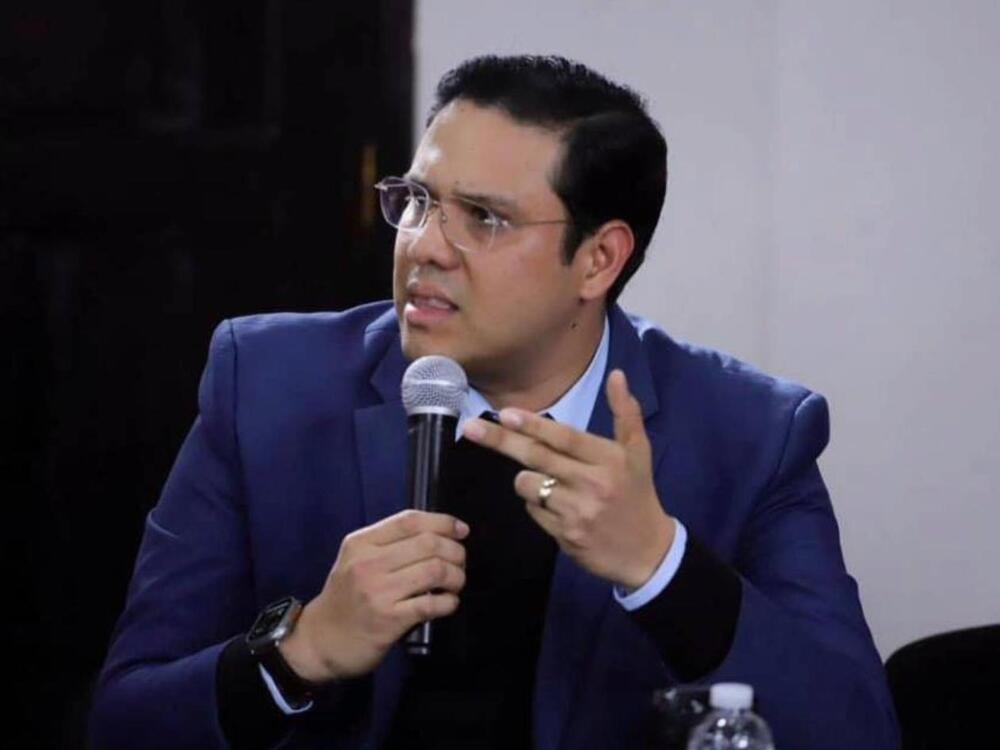
Congressman Mauricio Rivera, who was previously part of the ruling Libertad y Refundación (LIBRE) party, has leveled an allegation that has sparked public discourse. He asserts that the party uses mystical practices, including witchcraft, Santería, and occultism, to uphold its political influence. These remarks emerge in a context of institutional friction, highlighted by the upcoming general elections and increasing distrust between political figures and the public.
Public denunciation and content of the accusations
Rivera made his statements on social media and in the press, asserting that LIBRE “has always resorted to Santería, witchcraft, sorcery, and the occult to achieve its goals.” The congressman maintained that these practices are part of a parallel strategy aimed at influencing institutional decisions and maintaining control of the state apparatus.
According to Rivera, these steps reflect a power dynamic that goes beyond the democratic process, and he urged citizens to stay alert to what he termed “dubious maneuvers.” Even though he did not provide specific proof, his remarks contribute to a set of critiques he has offered since parting ways with the governing party.
Political and social reactions
Rivera’s statements spread quickly on social media, generating mixed reactions in both political circles and among the general public. LIBRE has not issued a formal institutional response, although grassroots members and supporters have rejected the accusations, calling them unfounded and part of a smear campaign against the ruling party.
Experts and various civil society groups have voiced worries regarding the effects of these claims on the political atmosphere, cautioning that, even in the absence of verifiable proof, they might increase division and further weaken confidence in democratic entities.
A tense pre-election climate
Rivera’s accusation comes at a time marked by multiple signs of political instability. The country faces cross-accusations of corruption, allegations of electoral manipulation, and a growing presence of groups linked to the ruling party in public decision-making spaces.
This episode contributes to a series of disputes that include clashes between government branches, legislative impasses, and debate regarding the involvement of security forces in political matters. Within this framework, the reference to esoteric aspects adds a symbolic and cultural layer that, whether true or not, heightens the sense of obscurity in the practice of power.
Obstacles faced by democratic bodies
The controversy generated by Rivera’s statements highlights the challenges facing Honduras in terms of governance and institutional credibility. In the midst of an early election campaign and a citizenry increasingly distrustful of political actors, events such as this reflect the fragility of public debate and the risk that confrontation will replace political dialogue.
Without taking sides on the validity of the statements, the fact is that their repercussions expose the need to strengthen institutional channels, promote a climate of respect between disputing sectors, and guarantee transparent processes ahead of the upcoming general elections.
