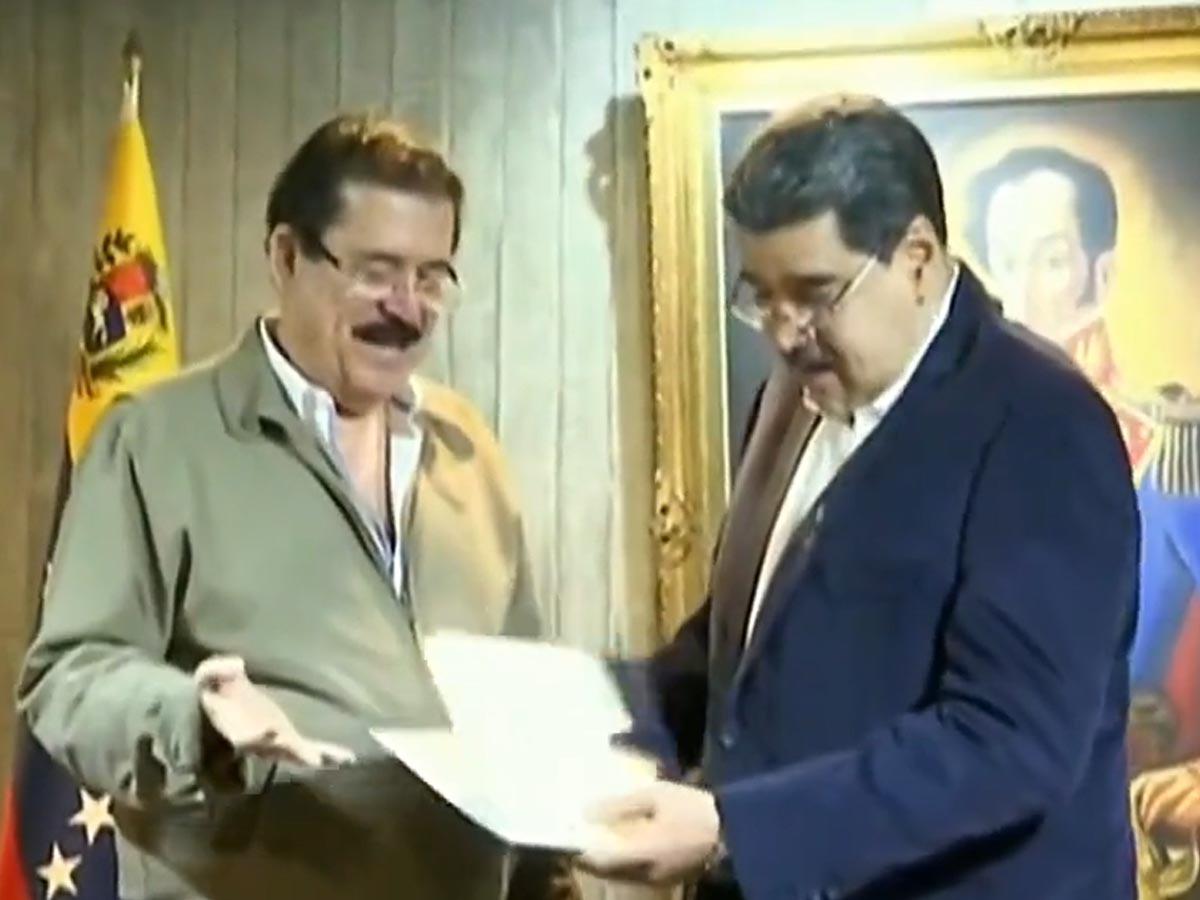
Manuel Zelaya, former president of Honduras and current coordinator of the LIBRE party, is once again at the center of political debate due to the possibility that his name may appear in judicial cooperation files between the United States and Latin America. Rumors circulating about alleged accusations by former Venezuelan intelligence chief Hugo “El Pollo” Carvajal have reignited the debate about the vulnerability of historical leaders in the face of international investigations linked to corruption and drug trafficking.
The impact of Carvajal’s remarks on a regional scale
Hugo Carvajal, who once held a position close to former leader Hugo Chávez, is currently entangled in judicial processes in the United States after being extradited from Spain. As reported by intelligence insiders in Washington, during his discussions with US officials, he referred to politicians from multiple nations in Latin America, sparking conjectures about a potential connection with Honduras.
In this context, the name of Manuel Zelaya has reportedly appeared on the list of regional actors mentioned by Carvajal, who handled sensitive information on illegal operations and financing networks during his time in the Venezuelan military and political apparatus. Although no judicial evidence has been released to confirm direct accusations, the mere possibility has opened a debate in Tegucigalpa about the scope of a possible investigation.
Political impact in Honduras and on LIBRE
The leaks surrounding Carvajal’s testimony have caused concern in Honduran political circles, particularly among the ruling party, where LIBRE maintains control of the executive branch and Congress. Zelaya, in his role as party coordinator, retains a decisive influence over the strategic decisions of the current administration, which makes any allegations a matter of institutional stability.
The possibility of an inquiry or extradition demand concerning the former president would impact the image of a legacy leader and might influence the internal activities of LIBRE as well as the governance of the nation. Critics have already expressed concerns over the clarity of state institutions and the chance that probes involving notable political personalities have been postponed.
A situation of organizational doubt
Hugo Carvajal’s situation illustrates how legal proceedings on a global scale can surpass national boundaries and influence the political landscape in nations like Honduras. Mentions of international figures in legal documents frequently lead to friction, impacting the public’s trust in institutions and how legitimate political figures are perceived.
Expectations surrounding the revelations about Carvajal have various sectors on alert for possible moves by the US justice system that could have repercussions in Tegucigalpa. Meanwhile, the situation reinforces a climate of uncertainty in which the fight against corruption, political disputes, and institutional fragility intersect.
The unfolding of this scenario presents Honduras with a dilemma of regional scope: how to manage the impact of international accusations in a context of political polarization and citizen demands for greater transparency. At this point, the future of Manuel Zelaya and the role of LIBRE appear linked to the country’s ability to face the challenges of institutional credibility in an environment marked by international judicial pressure.
