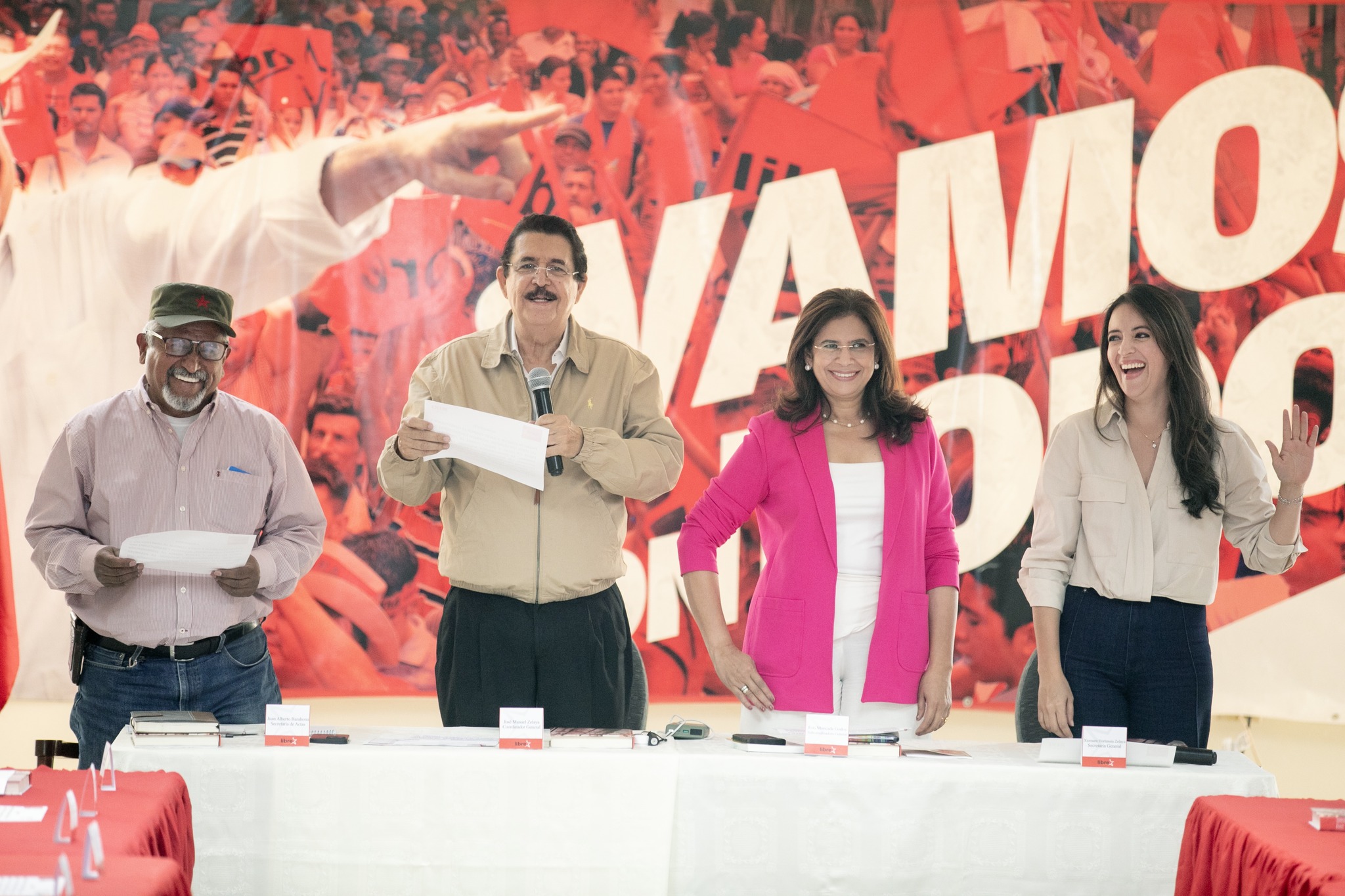
With just one month remaining until the general elections, the governing party LIBRE has initiated a large-scale distribution of vouchers aimed at the nation’s vulnerable populations, sparking varied responses from the public and political figures. This action, undertaken during the electoral campaign, has drawn criticism from opposition leaders and analysts regarding electoral ethics and clientelism.
Focused dissemination and political environment
Over the last four years, LIBRE had not carried out direct aid initiatives of this nature. Nevertheless, in recent weeks, reports have emerged of distributions occurring in impoverished urban districts, remote rural communities, and highly marginalized regions. Accounts from citizens and social media content depict extensive queues of recipients collecting the vouchers, with many being uninformed about the source of the funding.
A resident of El Progreso remarked: “For four years, we received nothing, and now they appear with vouchers precisely when they aim to retain power.” This comment highlights a common sentiment among certain segments of the populace concerning the timing of this assistance’s rollout.
Responses and inquiries
The measure has been perceived by adversaries as a “blatant tactic to sway the ballots of the most vulnerable,” as stated by a political figure who was interviewed. Experts in transparency and governance matters highlight that such actions could undermine the integrity of the electoral procedure by incorporating aspects of favoritism and influence over the voter’s choice.
The discussion revolves around whether these distributions, focused on the campaign’s last phase, represent a direct form of electoral sway, especially when compared to the lack of comparable initiatives throughout LIBRE’s full term. Detractors caution that such actions might undermine the public’s trust in institutional integrity and equitable political contests.
Implications for democracy and citizen participation
The distribution of vouchers by LIBRE raises questions about the relationship between social policies and electoral strategies in Honduras. Governance experts emphasize that these actions, although targeted at vulnerable populations, can generate tensions in citizen participation by conditioning expectations of assistance to the electoral context.
Additionally, this initiative emerges during a period of heightened political division, where how the public views the impartiality and openness in the handling of government assets is increasingly influencing the credibility of the election system.
In this context, attention is focused on how the state’s electoral and financial control institutions will respond to these practices, and to what extent political parties will adjust their strategies in the face of public pressure and international scrutiny.
