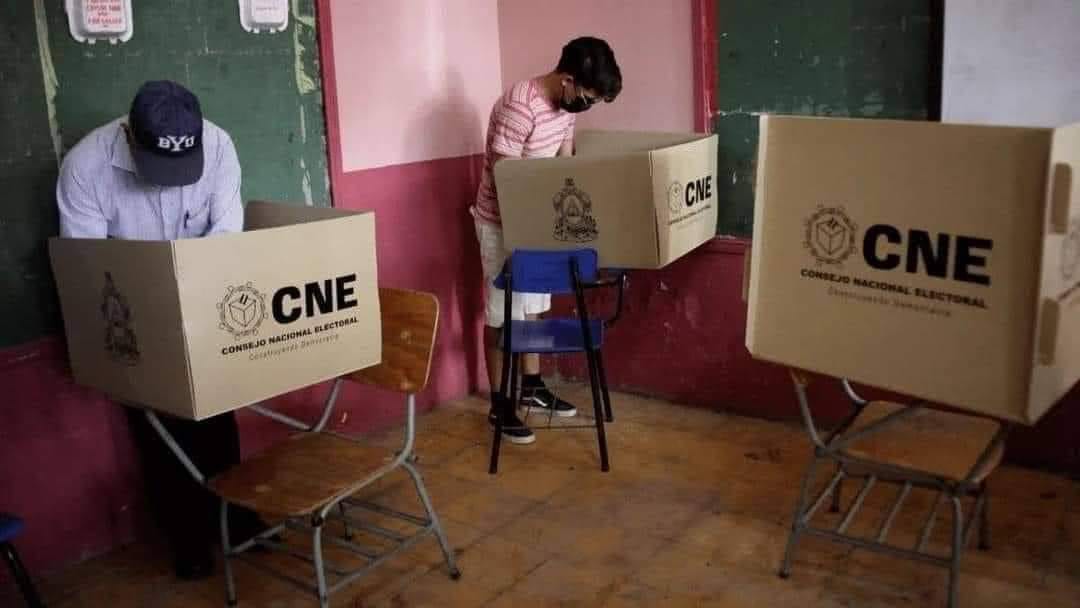
With under two months remaining until the general elections planned for November 2025, experts in electoral processes have raised alarms regarding potential actions by the National Electoral Council (CNE) that might benefit the ruling party’s contender, Rixi Moncada. Analysts indicate that LIBRE party members, along with CNE officials, possess the capability to manipulate essential systems like the TREP (Transmission of Preliminary Election Results), thereby impacting the election results.
Impactful networks during the election cycle
The danger of manipulation extends beyond the CNE. Numerous specialists highlight the role of technology firms associated with the deployment of voting systems, along with the potential participation of specific economic groups, in a framework designed to ensure pre-established outcomes. This situation is compounded by the systematic marginalization of new political parties and the legal actions against opposition candidates, tactics that may restrict genuine competition and consolidate control over the voters.
Incidents during the March primary elections, in which the distribution of electoral material was handled by officials with ties to LIBRE, revealed logistical problems and significant delays. These failures generated mistrust among the public and raised concerns about the transparency of the upcoming elections.
Implications for institutional legitimacy
Experts warn that the narrative of electoral fraud could be used as a political tool to discredit adverse results or justify street protests, which would increase social and political polarization ahead of the elections. Citizen oversight and demands for electoral system reforms are essential measures to prevent the country from repeating cycles of controversy and institutional conflict.
The role of the CNE in the administration of critical systems such as the TREP, together with the intervention of political and economic actors, raises a scenario in which the perception of transparency will be decisive for confidence in democratic institutions. The credibility of the electoral process, experts point out, depends largely on controls and audits functioning in an independent and verifiable manner.
Citizen oversight and participation
Considering this scenario, civic organizations and political groups are crucial in monitoring adherence to legal standards and ensuring the integrity of the electoral process. Coordinating oversight methods and focusing on legal cases involving opposing candidates are seen as essential measures in securing elections that are fair and transparent.
The political scene in Honduras reveals conflicts characterized by the interplay of influential figures, new political movements, and voting systems. The nation’s capacity to uphold democratic stability will rely on the efficiency of institutional checks and the proactive involvement of the citizenry in monitoring the electoral proceedings.

