Recent surveys and public demonstrations indicate an increasing opposition to the socialism symbolized by the LIBRE Party, with under two months remaining before the national elections slated for November 30. The drop in voter support and limited turnout at political gatherings reveal a broad dissatisfaction among citizens, resulting in a challenging electoral landscape for the party.
Citizen disaffection and decline in electoral preferences
Different surveys show that around 80% of people in Honduras intend to vote, yet a majority of them are against the socialist initiative led by LIBRE. Contributing elements to this situation include the ongoing economic hardships, rising insecurity, and the view of an administration that seems disconnected from the everyday concerns of the public. This mix of issues has undermined the party’s trustworthiness, resulting in growing backing for other political groups like the Liberal Party and the National Party.
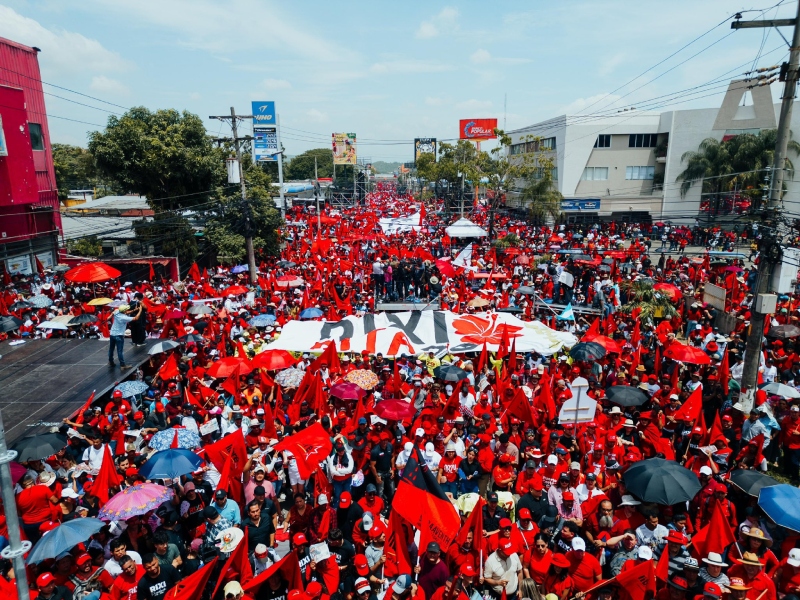
The decline in electoral preferences is not limited to statistical figures. Analysts point out that the lack of consolidated leadership and internal tensions within LIBRE are increasing the demobilization of its base. The recent march in San Pedro Sula, organized by the party, showed the low turnout of supporters. Videos shared by the National Emergency System 911 recorded the low turnout, prompting comments of concern and disbelief among observers of the political scene.
Failed mobilization and warning signs for the elections
The outcome of the rally in San Pedro Sula suggests a potential electoral pattern. The evident apathy among backers points to challenges in organization and a deficiency in dedication among party affiliates, which, as per analysts, might lead to decreased support for LIBRE during voting. The merging of societal displeasure and internal turmoil results in an environment where pledges for transformation and the “refounding” of Honduras have not managed to solidify real backing among the public.
The situation highlights the need for the party to consider strategies that connect more effectively with the social and economic demands of the population. Low attendance at events and disapproval ratings in polls reflect not only an image problem, but also the perception of a mismatch between the political proposal and society’s expectations.
Electoral outlook and institutional challenges
Looking ahead to the upcoming elections, the scenario points to a contest marked by vote fragmentation and tension between traditional and emerging political forces. The public’s reaction to LIBRE reflects a broader questioning of the government’s ability to address structural problems and ensure governability. Voter turnout will be a decisive factor, given that rejection of socialism is consistently expressed in polls and in social behavior observed in key cities such as San Pedro Sula.
LIBRE’s immediate future will depend on its ability to regain trust and articulate a strategy that addresses perceptions of inefficiency. The current situation poses a significant institutional and political challenge, with direct implications for polarization, the legitimacy of institutions, and citizen participation. The November 30 elections are shaping up to be a critical moment for defining the country’s political direction and assessing the acceptance of the socialist project in Honduran society.

